
Andres Silva
Sydney 2026

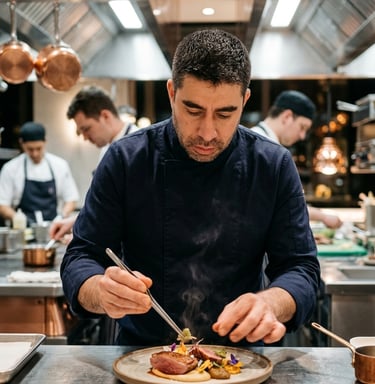
Hello, I'm Andrés.
This website is my corner of the internet—a place where I share stories from life in professional kitchens, the lessons I've learned, the food I enjoy creating, and the experiences that have shaped me along the way.
Some posts are about cooking. Others are about people, travel, challenges, and the everyday moments that often go unnoticed in hospitality.
If you're a friend, a fellow chef, or simply someone curious about life behind the kitchen doors, I hope you find something here that resonates with you.


Food Allergies and Food Intolerances
Food Allergies
A food allergy occurs when the body's immune system mistakenly identifies a food protein as harmful and triggers an allergic reaction. In Australia and New Zealand, the most common food allergens include peanuts, tree nuts (such as almonds, cashews, walnuts, and pistachios), milk, eggs, sesame seeds, fish, shellfish, soy, lupin, and wheat. These allergens must be clearly listed on food labels whenever they are present, even in very small amounts, to help consumers make safe food choices.
Food Intolerances
Food intolerance differs from a food allergy because it does not involve the immune system. Although generally less severe, food intolerances can still cause a range of uncomfortable symptoms, including:
Skin reactions such as rashes or swelling
Respiratory symptoms like asthma or a blocked or runny nose
Digestive issues including bloating, colic, diarrhoea, and irritable bowel symptoms
Neurological symptoms such as headaches, migraines, fatigue, and irritability
If you suspect that you or your child may have a food intolerance, it is important to seek advice from a healthcare professional. Many of these symptoms can also be linked to other medical conditions.
Food intolerances may be caused by naturally occurring substances in foods, such as lactose, gluten, and salicylates, as well as added ingredients, food additives, or processing aids.
Keeping a food diary can be helpful in identifying potential trigger foods. Diagnosis often involves removing suspected foods from the diet and gradually reintroducing them one at a time to determine which food is causing the reaction. This process should always be carried out under medical supervision, as some reactions, particularly those affecting breathing, can be serious.


More Than Just the Chef Title
Working as a chef can sometimes feel like you always need to chase the next title, the bigger salary, or the “better” position. But honestly, after spending years in kitchens, I’ve learned that none of that really matters if you’re not happy where you work.
For me, having a good team, a positive kitchen vibe, and enjoying the people around me is way more important than simply having a fancy title. A kitchen where everyone respects each other, helps each other, and can still laugh during a crazy service makes such a huge difference. You don’t just cook better — you actually enjoy going to work.
Of course money matters, and growing professionally is important too, but sometimes higher positions also bring a lot more stress, pressure, and burnout. I’ve realized that protecting your mental health and enjoying the job is just as important as moving up in the industry.
At the end of the day, cooking is something I genuinely love, and I never want to lose that passion just because of stress or unhealthy environments. For me, success is finding a kitchen where you can keep learning, feel appreciated, have a life outside of work, and still love what you do when service starts.


10 Lessons I Wish Someone Had Told Me on My First Day in a Commercial Kitchen
"The first day in a professional kitchen can be both exciting and overwhelming. Looking back, there are many things I wish someone had sat me down and explained—not just about cooking, but about what it really takes to succeed in hospitality."
I still remember my first shift in a commercial kitchen. I arrived early, wearing a freshly pressed chef jacket, excited to prove myself. I thought that if I could cook well, everything else would fall into place. I couldn't have been more wrong.
A professional kitchen is unlike cooking at home. It's a fast-paced environment where dozens—sometimes hundreds—of meals must leave the pass with the same quality, at the right temperature, and at exactly the right time. Technical skills are important, but they're only one part of the job. Organisation, communication, discipline, and attitude are just as essential.
Over the years, I've worked alongside talented chefs, mentored apprentices, and learned from my own successes and failures. If I could go back and give my younger self some advice, these are the ten lessons I'd share.

